
Reading view

There are new articles available, click to refresh the page.

The Metro: She says Detroit’s food problem isn’t about donations. It’s about who owns the system

Part of the affordability crisis hitting American families is happening on our plates.

One local wholesale distributor says multiple factors are driving food costs up: President Trump’s tariffs, labor shortages and heightened immigration enforcement, and problems in the trucking industry. And all of that hits Detroit harder than most places. Many Detroit families struggle with food insecurity, and Congress just gutted the federal safety net that millions of families depend on.

Still, whether prices go up because of a tariff or a drought or a trucker shortage — if you don’t control any part of the system, you just absorb the hit. You are at the end of a chain somebody else built and no food pantry, no matter how well-run, changes that.

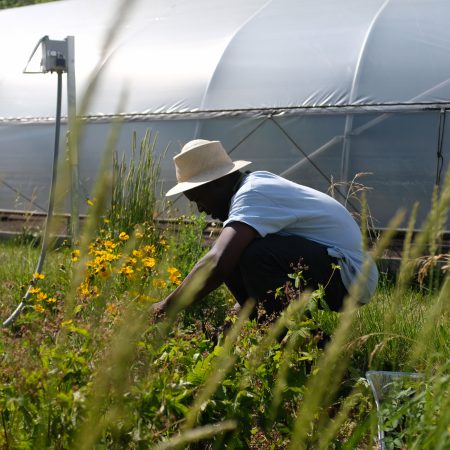
Natosha Tallman says the answer is not more charity — it’s infrastructure: commercial kitchens, cold storage, distribution, ownership. A system where Detroiters grow food, process it, sell it, and keep the money. 

Tallman and her team at the Northend Christian Community Development Corporation, which runs the Oakland Avenue Urban Farm, are trying to build that infrastructure. She joined Robyn Vincent on The Metro to discuss what it takes to move from a system focused on food charity to one of food sovereignty.

Listen to The Metro weekdays from 10 a.m. to noon ET on 101.9 FM and streaming on demand.

Subscribe to The Metro on Apple Podcasts, Spotify, NPR.org or wherever you get your podcasts.

Support local journalism.

WDET strives to cover what’s happening in your community. As a public media institution, we maintain our ability to explore the music and culture of our region through independent support from readers like you. If you value WDET as your source of news, music and conversation, please make a gift today.

More stories from The Metro

The post The Metro: She says Detroit’s food problem isn’t about donations. It’s about who owns the system appeared first on WDET 101.9 FM.
Michigan farmers face uncertainties despite bailout, union says

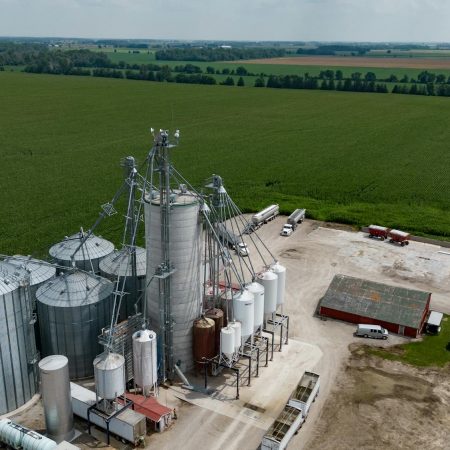
The Trump administration recently announced $12 billion in bailout money in an effort to prop up the farming industry. That comes as farmers around the country have complained about trade wars and general economic conditions making it tough for them to do business.

What that money looks like by the time it makes its way to local farmers remains to be seen. Michigan Farmers Union president, Bob Thompson, says there are still questions surrounding the distribution.

Listen: Bob Thompson discusses issues facing Michigan farmers

“The Administration,” says Thompson, “still has to decide how much money is going to corn, versus wheat, versus soy beans, versus 15 different row crops.”

Thompson says about $11 billion of the $12 billion in the bailout will be dedicated to row crops. That means farmers growing specialty crops, like apples and cherries, will share the remaining funds.

Thompson warns the funding may not be enough to offset the challenges facing Michigan’s farms.

“The financial problems that a lot of farmers, particularly our smaller family farmers are experiencing, is a direct result of a lot of policies of the new administration,” Thompson explains, “ Particularly the tariff policies.”

He says the Trump administration’s crackdown on immigration has also hurt farmers in the state. About three-quarters of the seasonal workforce on farms comes from immigrant labor programs.

The Michigan Farmers Union says it may take a new long-term farm bill to stabilize the industry.

Trusted, accurate, up-to-date.

WDET strives to make our journalism accessible to everyone. As a public media institution, we maintain our journalistic integrity through independent support from readers like you. If you value WDET as your source of news, music and conversation, please make a gift today.

Donate today »

The post Michigan farmers face uncertainties despite bailout, union says appeared first on WDET 101.9 FM.

❌