Reading view

There are new articles available, click to refresh the page.

The Metro: Why water rates keep increasing

On Wednesday, the Great Lakes Water Authority will vote on a nearly 7% water rate increase and a 6% sewer increase.

Last year, GLWA proposed an even bigger hike — close to 8% for water — but public testimony at the hearing pushed the board to lower it. Wednesday’s hearing is another chance for residents to weigh in. What’s driving these increases — and why does water keep getting more expensive?

Suzanne Coffey is CEO of the Great Lakes Water Authority or GLWA. She spoke with The Metro‘s Robyn Vincent.


Listen to The Metro weekdays from 10 a.m. to noon ET on 101.9 FM and streaming on demand.

Subscribe to The Metro on Apple Podcasts, Spotify, NPR.org or wherever you get your podcasts.

Trusted, accurate, up-to-date.

WDET strives to make our journalism accessible to everyone. As a public media institution, we maintain our journalistic integrity through independent support from readers like you. If you value WDET as your source of news, music and conversation, please make a gift today.

Donate today »

More stories from The Metro
The post The Metro: Why water rates keep increasing appeared first on WDET 101.9 FM.
DC Water chief tied to Flint water crisis lawsuits now leads utility behind Potomac sewage spill

The head of DC Water, whose agency oversees the sewer line that collapsed and spilled more than 240 million gallons of raw sewage into the Potomac River last month, previously played a prominent role in the Flint water crisis. 

The post DC Water chief tied to Flint water crisis lawsuits now leads utility behind Potomac sewage spill appeared first on Detroit Metro Times.

GLWA takes steps to reduce sewage backups in southwest Detroit

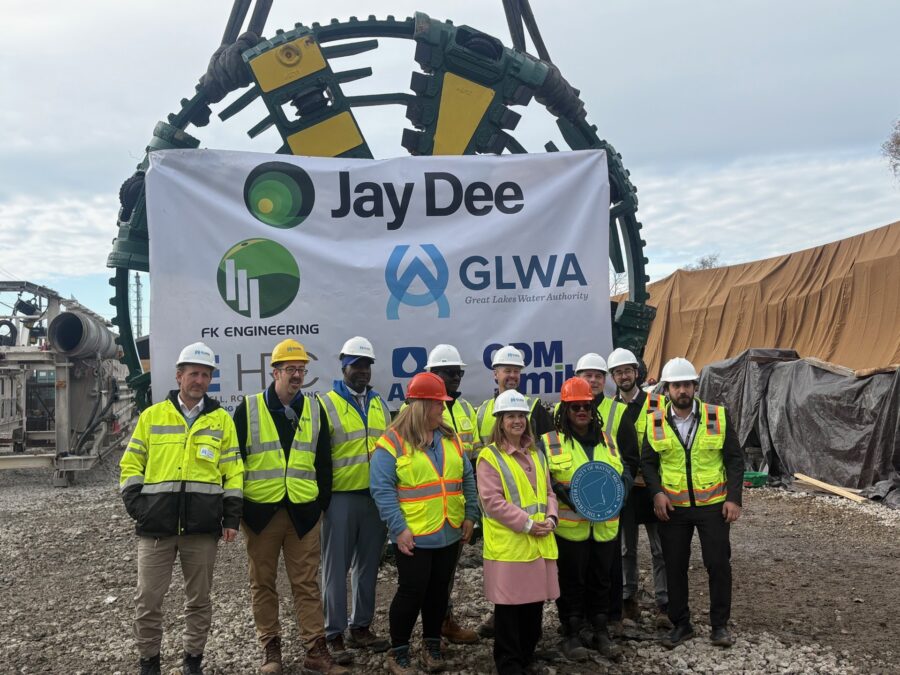
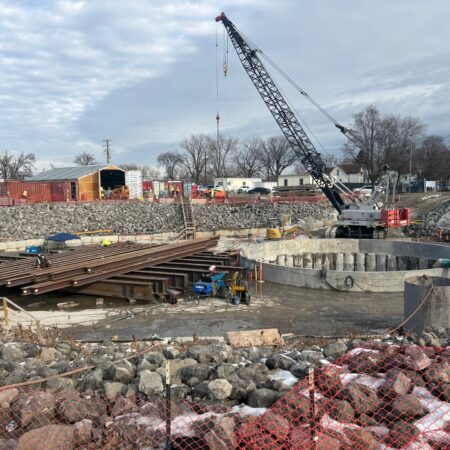
The Great Lakes Water Authority has started building a new tunnel in southwest Detroit. The project will divert excess stormwater from a large sewer line along the Rouge River to a retention and treatment basin nearby.

Potential to address a longstanding problem

GLWA Chief Operating Officer Navid Mehram says the tunnel will reduce the risk of flooding. Additionally, it should mean fewer basement sewage backups during heavy rain. “We’re making an investment in our existing system by rerouting some flows, so that we can leverage an existing facility that wasn’t receiving all the flow it can treat,” Mehram says.
GLWA officials pose with part of a tunnel boring machine
The tunnel will be almost 4,000 feet long and several feet wide. Nehram says GLWA expects to finish the job in 2028. “Our projects are very large,” he says. “This is a tunneling project, which is extremely complicated.” Besides reducing sewage backups, Mehram says the project will also make the system more resilient to heavy rain. “This not only provides us with water quality improvements along the Rouge River, but it can also provide a backup for our Water Resource Recovery Facility,” he says.

Who’s paying for it?

The project will cost $87 million. Mehram says GLWA will use both government grants and sewer rate revenues to pay for it. He says it will not increase customers’ bills.

Trusted, accurate, up-to-date.

WDET strives to make our journalism accessible to everyone. As a public media institution, we maintain our journalistic integrity through independent support from readers like you. If you value WDET as your source of news, music and conversation, please make a gift today.

Donate today »

The post GLWA takes steps to reduce sewage backups in southwest Detroit appeared first on WDET 101.9 FM.

❌