 Login
LoginMuslim mental health care centers emerge in mosques to better serve communities facing barriers
Seeking mental health care is complicated for many American Muslims due to cultural expectations and stigma. Oftentimes, Muslims believe troubling issues should be resolved within the family or through an imam.
Mosques around the U.S. are working toward destigmatizing therapy in Muslim communities to make it more accessible.
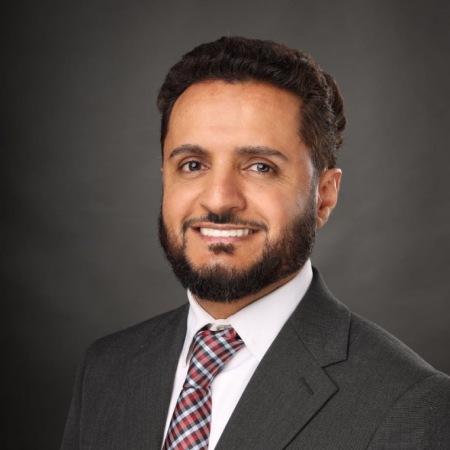
Danish Hasan, health director at the MY Mental Wellness Clinic in Detroit, says part of that work requires overcoming barriers to access.
“We have a little bit more stigma than some of the other communities,” he says.
When praying isn’t enough
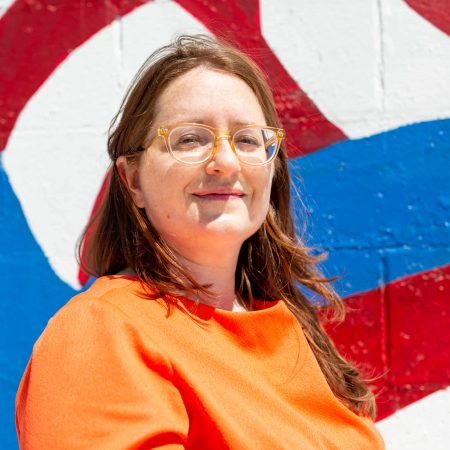
Sabrina Ali is a stay-at-home mother and former teacher who grew up in a South Asian home in Canton, a multicultural suburb of Detroit.
She learned from a young age that she couldn’t talk about all her problems with her immigrant parents.
“It was like they just came from a totally different world… and for them it was like, ‘Well, what do you have to be depressed about? Like, you’re 13, you have a good home, you have a good family, like you have food on the table,’” she says.
Ali says her parents meant well, and suggested she pray more to resolve her internal struggles, “to be more religious, essentially, quote, unquote, whatever, whatever that meant to them,” she shares.
Ali says over the years when she felt distressed, she would pray. But one day, she realized she needed to go to therapy after having recurring nightmares.
So she started going to a free counseling program at the University of Michigan, Dearborn – the Counseling and Psychological Services (CAPS), which offers free counseling services for full-time students. Ali says she learned about the program through her work with student groups on campus.
She says that although Muslims may feel “God is testing them” with a struggle, challenge, or test, it’s also important to take action.
“Maybe God is testing is me, but even my decision, the path towards making the decision to seek professional help, I think, in a way, was also a test, you know, because what is the saying, ‘trust in God, but tie your camel’, right?”
For many young Muslims, accessing CAPS is a private entryway to seek counseling services without having to tell your parents.
Destigmatizing therapy
Many American Muslims have grown up learning going to therapy is shameful and problems should be kept private. When there is conflict, they usually go to an imam first for advice.
Imam Mohamed Maged, resident scholar of the All Dulles Area Muslim Society, also known as the ADAMS Center, says he realized 25 years ago some people needed more support.
“Sometimes they ask for us to pray for them, and we do provide that spiritual support, but I realized that some of them really might be suffering from mental health issues and they need somebody to help them,” he says.
To bridge this gap, ADAMS Center opened a Mental Health Program about 13 years ago. The program offers some mental health services inside the mosque, but also contracts to 17 providers through subsided services for 12 sessions.
They also serve the community at large.
Magid says showing people that imams and therapists are working together goes a long way.
“When you tell them this is a partnership between me and a mental health provider, both of us who can help you, they feel relief,” he says.
In partnership with existing community
In California, there are similar services provided at the Maristan clinic. It’s a holistic mental health clinic that is a part of The Muslim Community Center- East Bay, a faith based organization and mosque.
Founder Rania Awaad, a clinical professor of psychiatry at Stanford University, School of Medicine, says mosques are community gathering spaces.
“To have the mental health services is a major pro. It’s built in. It’s within the same institution that they’re already attending and that they trust,” she says.
Awaad says her research shows that many American Muslims want mosques to have mental health centers, while others want counseling services in a stand alone space for more privacy.1
Along with therapy provided by a Muslim therapist, in some cases people can request Islamic psychology, or the integration of faith into therapy.
Religion can provide structure for mental well being
For example, a patient who has obsessive-compulsive disorder exploring an Islamic psychology session might include learning about Islamic regulations for wudu or ablutions as a way to cope with religious compulsions.
“How much time, and how many limits of how much to wash, how many times to pray or redo your prayers,” Awaad explains.
Providers can point to a hadith, or a teaching of the prophet Muhammad, peace be upon him, to draw the point home.
“Bringing in, well here’s the Hadith of the Prophet sallallahu Salam, that says no more than three washings in wudu,” she says.
This concept of having therapists placed inside the mosque is gaining traction.
MY Mental Wellness Clinic
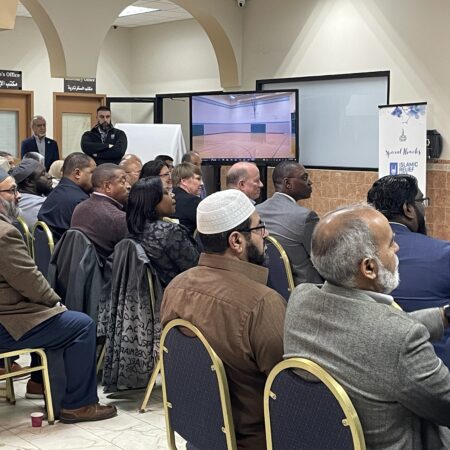
Last year, the Islamic Center of Detroit began offering mental health services through the new program called the MY Mental Wellness Clinic, a youth-led initiative that began in 2016 through psychoeducation workshops.
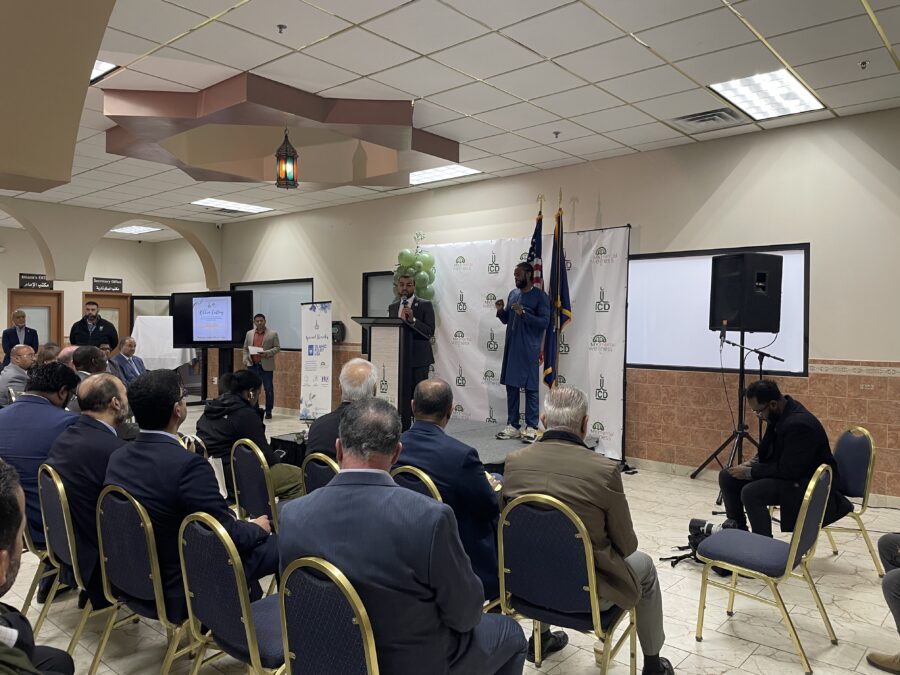
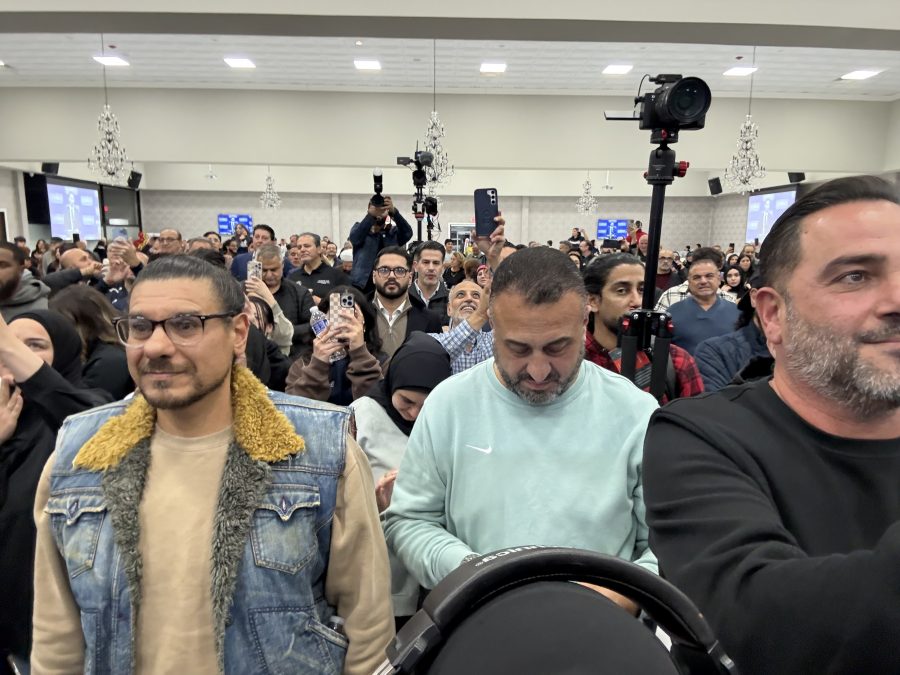
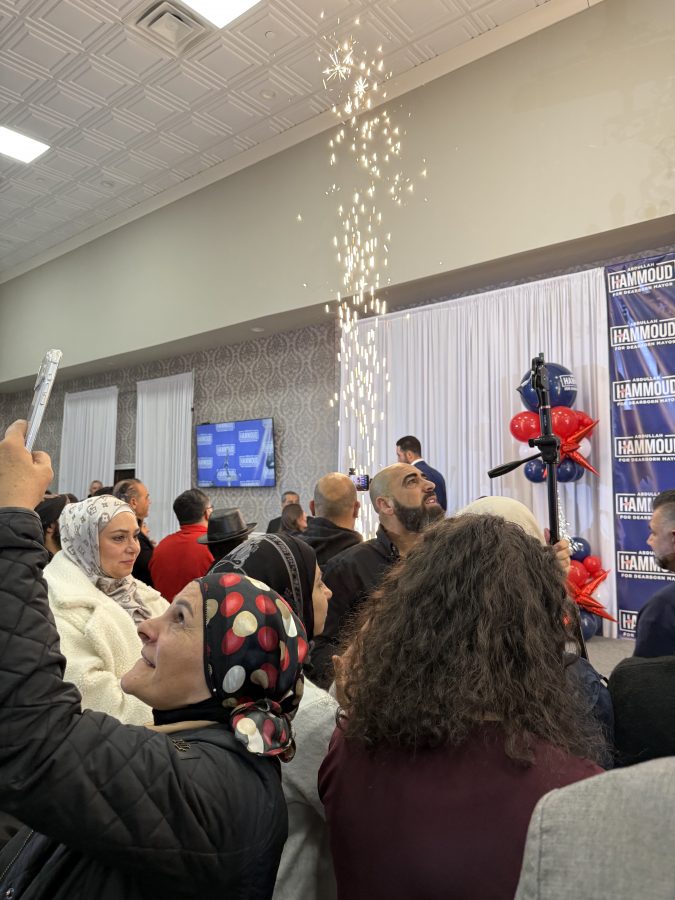
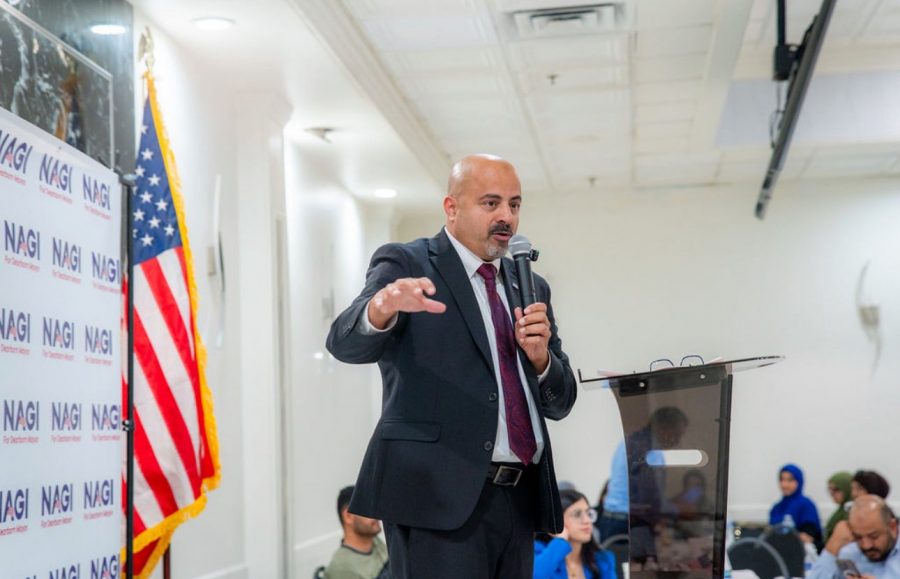
Last year Hasan welcomed a crowd of state dignitaries and community members during the opening ceremony.
“We’re gathered here today to celebrate a vital initiative that has the power to transform lives in our community, the launch of our new mental health clinic,” he says.
Hasan says the clinic hopes to remove barriers and normalize taking care of ones’ wellbeing. He says the clinic began through youth initiatives to tackle mental health. Now, about half of the patients are the youth.
“The idea with this project is to be visible, to be present, to be accessible in an affordable for those that we serve,” he shares.
The clinic offers free mental health services to area residents, mosque attendees and has branched out to work with local institutions.
Similar clinics can be found around the U.S.
As more people seek therapy, Muslim providers are finding new ways to meet people where they’re at.
Support local journalism.
WDET strives to cover what’s happening in your community. As a public media institution, we maintain our ability to explore the music and culture of our region through independent support from readers like you. If you value WDET as your source of news, music and conversation, please make a gift today.The post Muslim mental health care centers emerge in mosques to better serve communities facing barriers appeared first on WDET 101.9 FM.